Image

On 21st June, the sun reaches the highest point in the sky and marks the beginning of summer in the northern hemisphere. It is the longest day of sunlight in the year and is often referred to as Midsummer, the Summer Solstice or Litha.
A sacred celebration of fire, rituals and the sun, Midsummer has its roots in ancient Irish traditions. There are a number of Neolithic monuments that align with the sun on Midsummer, such as Loughcrew and Dowth Henge in County Meath.
In Ireland, Midsummer was the main ‘fire’ festival along with Bealtaine and Samhain. It was a celebration of the height of summer and a chance for festivities before harvest season and the hard work to come.
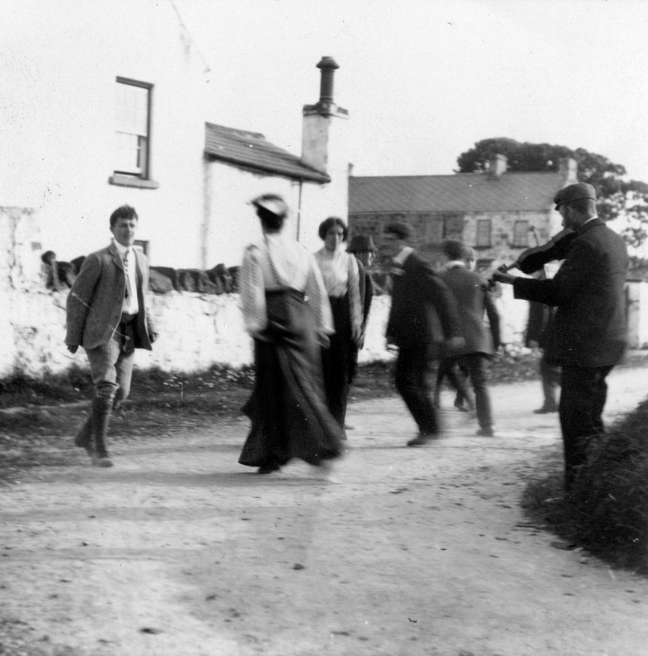
The evening was usually marked by bonfires, dancing, music and merriment along with the practice of rituals and traditions.
Bonfires are a traditional celebratory activity on the island of Ireland, and there are records of them happening throughout history. Estan Evyans, founder of our museum, once said:
"Unlike other fire festivals, Midsummer fires still burn strongly and their pagan flames have not been so easily quenched."


Delve into our archives with Senior Curator of History Victoria Millar and learn about St. John's Eve.
Learn about the traditional agricultural year in Ulster.
Join Clare from Feasting on Weeds as we forage at the Ulster Folk Museum.