Image

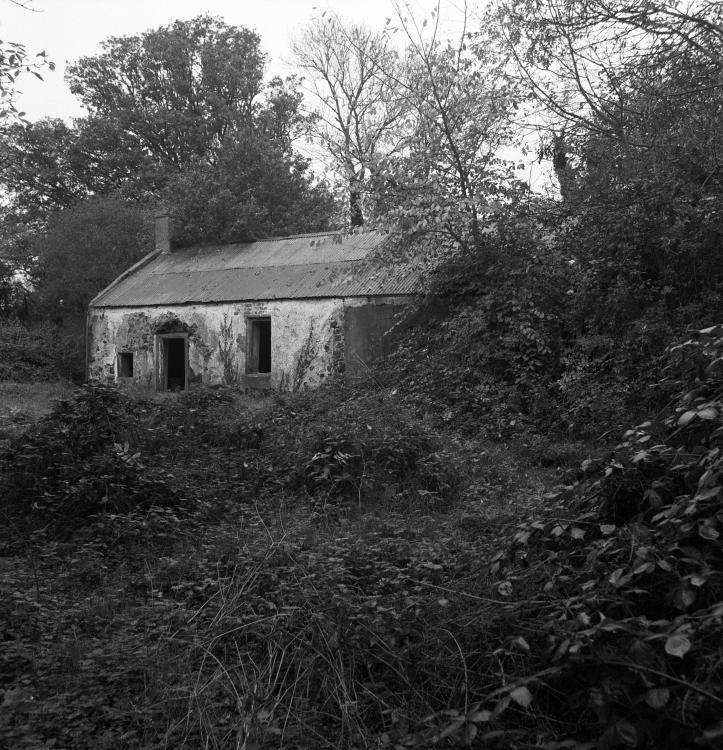
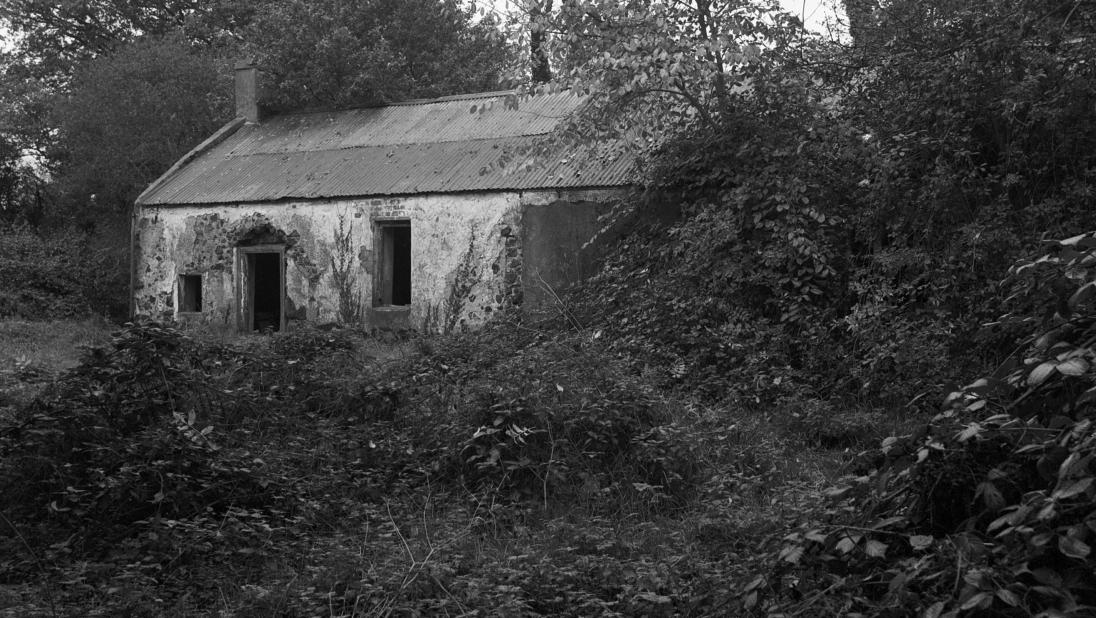
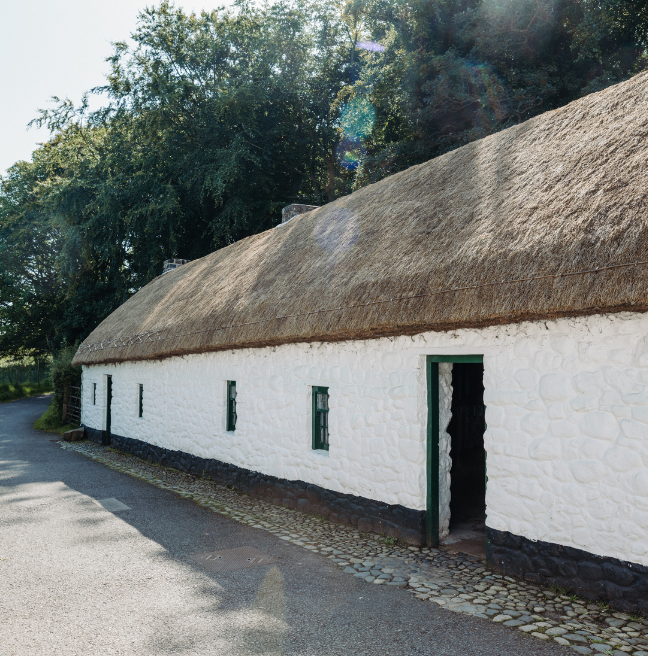
This row of three houses comes from the townland of Ballyvollen, on the southeastern shores of Lough Neagh in County Antrim.
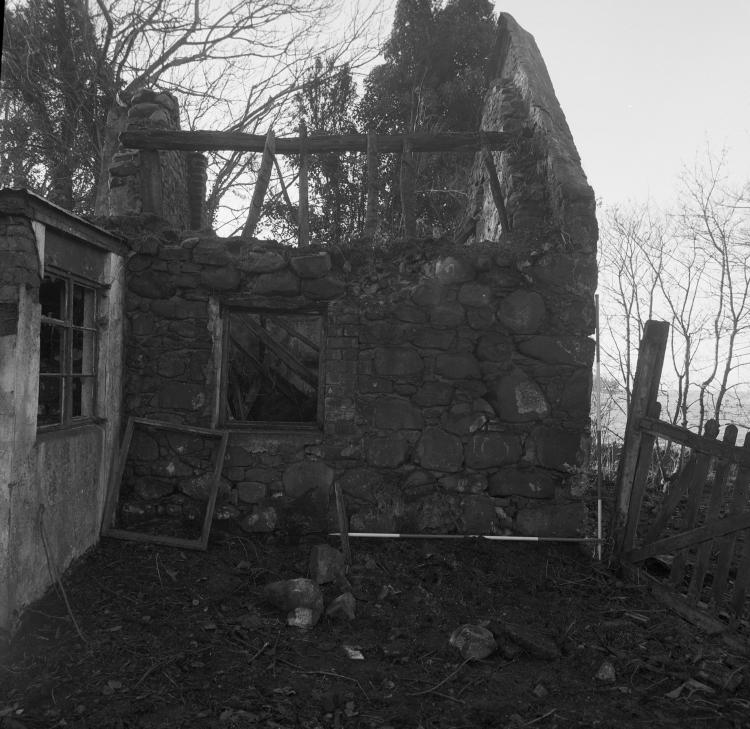
The importance of this row of houses lies in the fact that the core of the structure is an old 1600s oak cruck-framed house. These cruck trusses are rare examples of an English type of construction introduced to Ulster by English settlers during the 1600s. Today, there are very few surviving examples of English-type cruck trusses in Ireland. It is likely that the central house was erected first, followed by the larger house at the east end and then the smaller house at the west end.
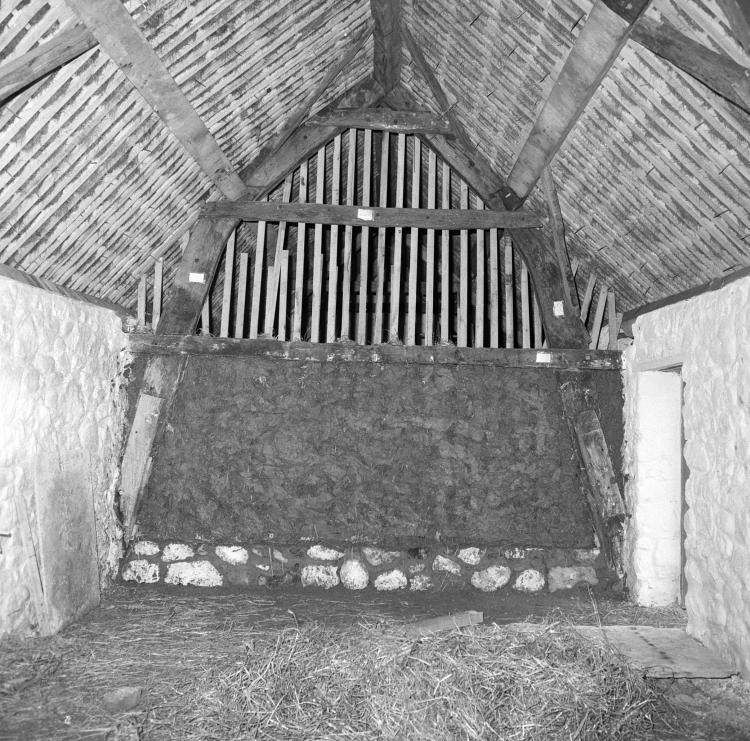
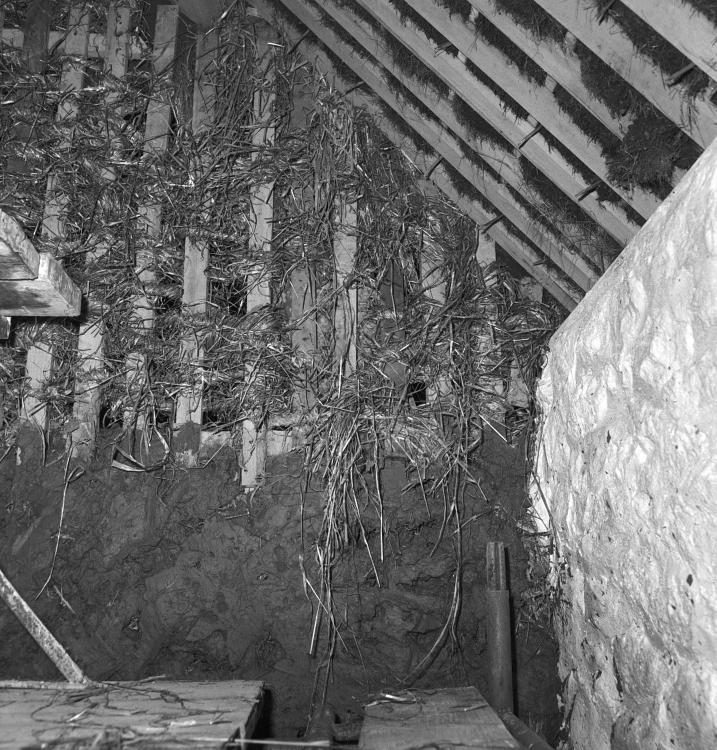
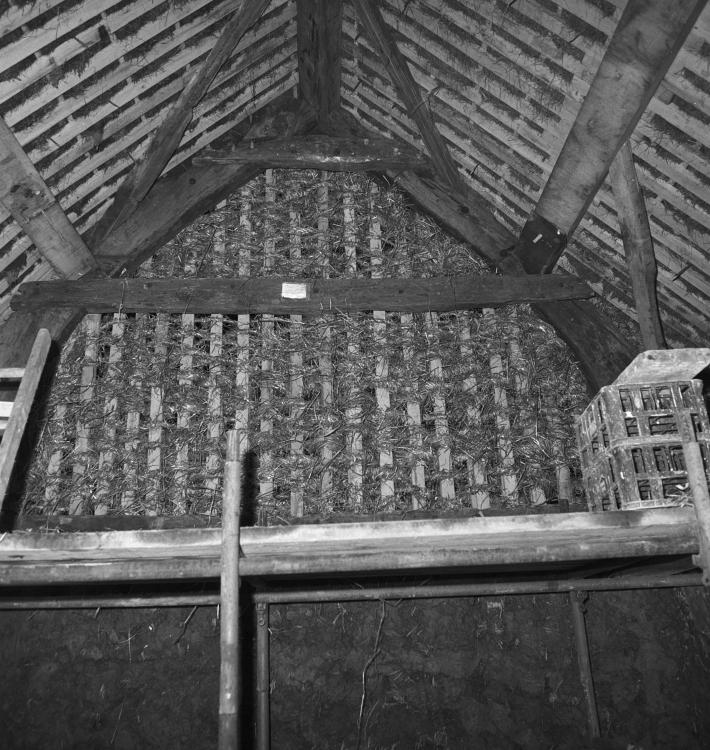
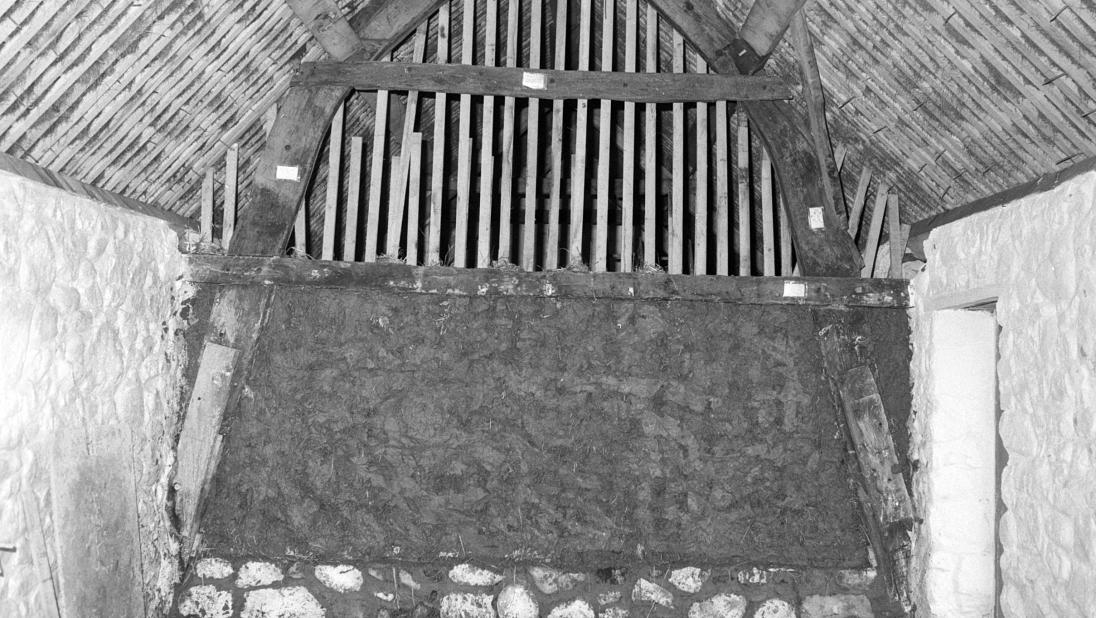
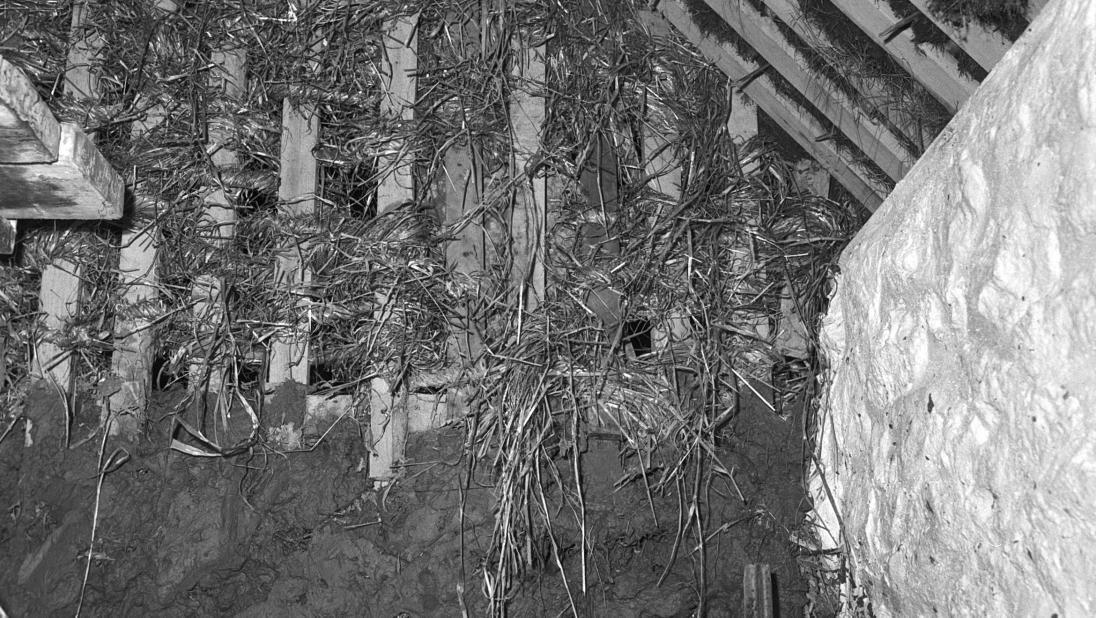
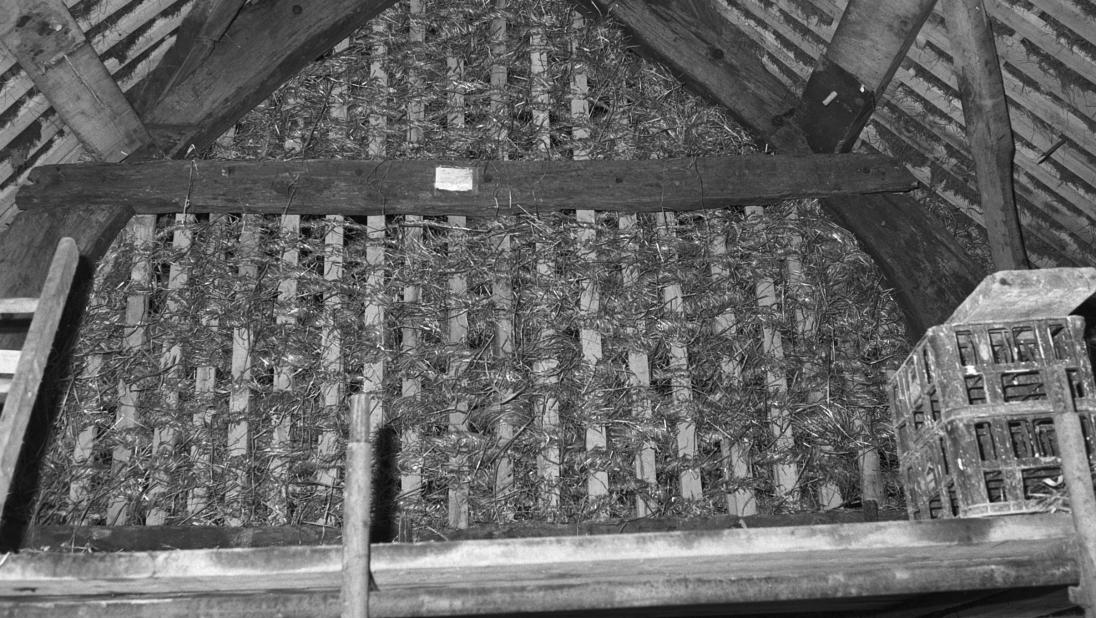
Another point of interest is the unusual variant of wattle and daub used to build the partition walls. This involves the weaving of twisted straw rope around upright studs (in one instance, birch, and in another, of oak) and the application of clay daub as a kind of plaster.
Many generations of people lived in the houses from the 1600s until the 1950s. Little is known about the earliest inhabitants of the houses but presumably, they were mainly drawn from local families of farm workers, labourers, and fishermen.
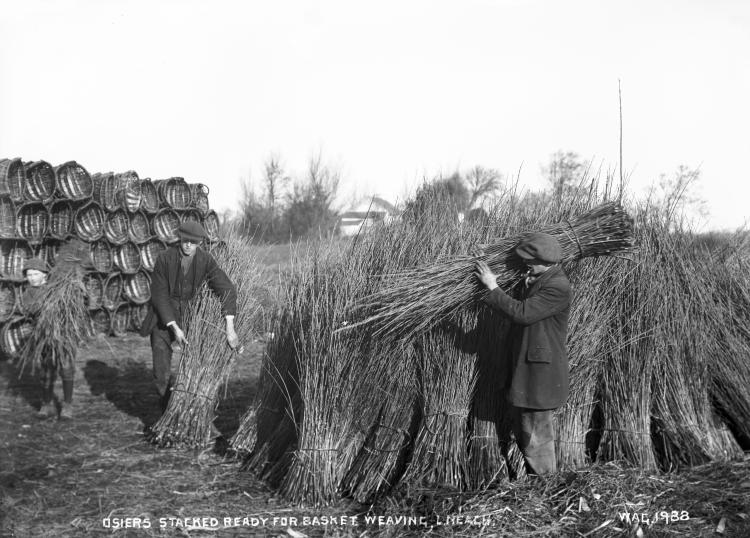
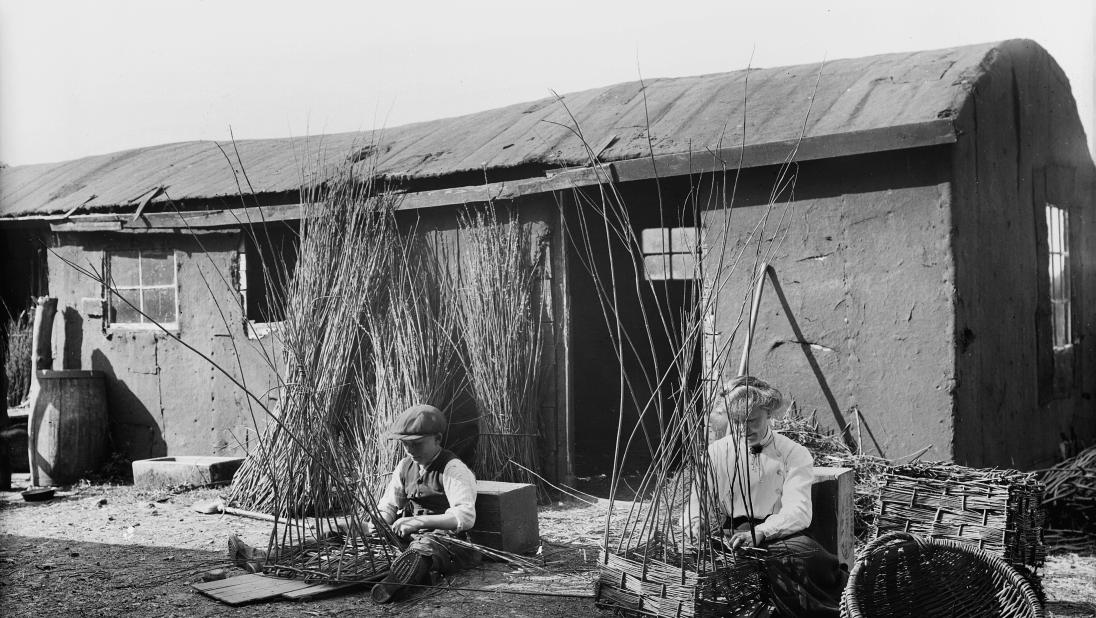
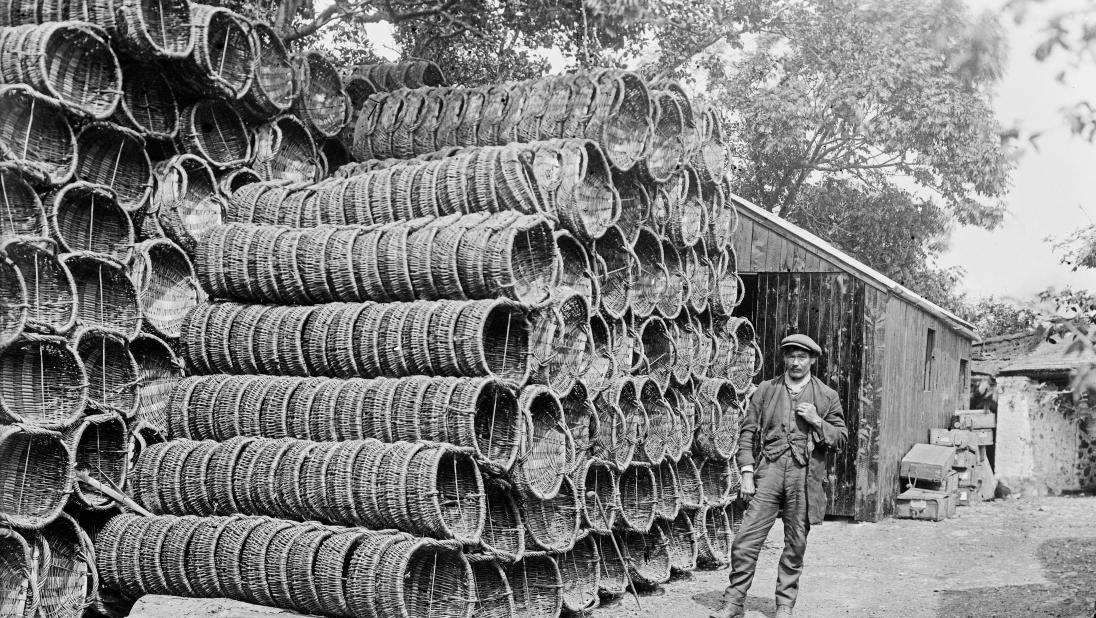
In the 18th and 19th centuries, the spinning and weaving of cotton or flax provided work for some local people in their homes. Some women were employed as outworkers who undertook whitework handkerchief embroidery in their own homes. For some men, basket making was a part-time (or, more rarely, full-time) occupation.
Because these houses were rented, families tended to move on, so no one family can be associated with any particular house for a great length of time.
In the early 1900s, two brothers lived in the central and large end houses of the terrace with their young families. Both Hugh and William McGarry were fishermen on Lough Neagh. Hugh was also a noted local boat builder. In the summer months, he ferried day trippers to Ram's Island, about two miles offshore from Ballyvollen. He won several sailing races on Lough Neagh.
Hugh and his wife Eliza married in 1905 and they raised their three children, Annie, Gerald and Henry, in Ballyvollen until the 1920s. William married Maggie Laverty and had three girls - Rita, May and Lily. They lived in Ballyvollen until the 1930s.
Lily O’Dowd, née McGarry, shared her memories with us about life at Ballyvollen. The McGarry’s rented their house from the Waring family who lived in Bellbrook House. Fresh milk was obtained from Bellbrook farm.
The fishermen’s boats around the Lough were kept near to the mouth of the Glenavy River. The fishermen would fish at night on the Lough, sometimes as far up as Toome. Their catch would usually include trout, pollan (a kind of freshwater herring), salmon and perch. On one occasion, Lily’s father caught a 25lb salmon in the Lough!
In the 1930s, the fish caught in the Lough was packed in ice in wooden crates and transported in the McGarry’s cart and horse to Crumlin railway station. Stencilled on the sides of the crates was the name and destination: ‘Horatio Woods, Billingsgate, London’.
Annie Hunter, née McGarry, was born to Hugh and Eliza in 1914. Their family home was at the east end of the terrace. She shared her oral history with us in 1998. Her father, Hughie McGarry, was a fisherman and boat builder. He kept his boat, the “Wanderer”, further down the river at the edge of Lough Neagh.
Fishing in Lough Neagh was for three types of fish: eels, trout and pollan. Eels were caught by a weighted longline on which hundreds of hooks were knotted, usually with the assistance of the fisherman’s family. This line, much lighter than that used by fishermen on the sea coast, was extended for long distances over the bottom of the Lough.
Annie recalled that the family had no running water or electricity, and light was obtained from oil lamps. Her father used to remove a door from its hinges, put it on the tiled floor, and dance on it. He also grew fruit trees, yielding damsons, plums and pears.
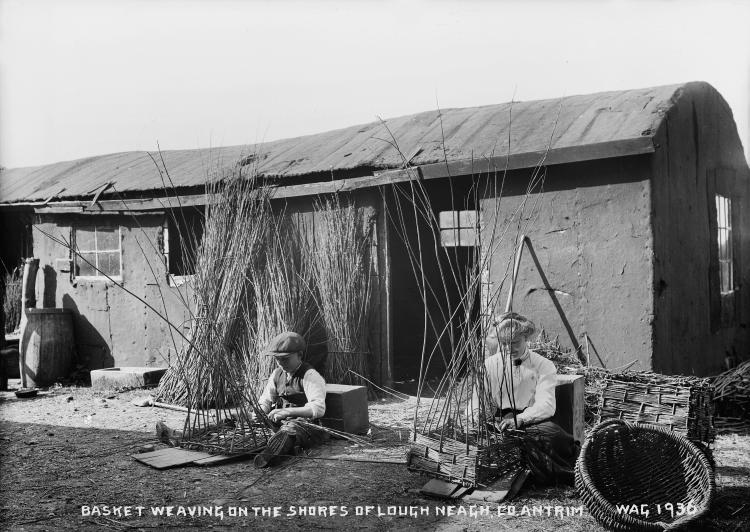
A replica basket maker’s workshop occupies one of the three Ballyvollen houses at the museum. It is based on a basket maker’s workshop from Aghagallon on the shores of Lough Neagh.
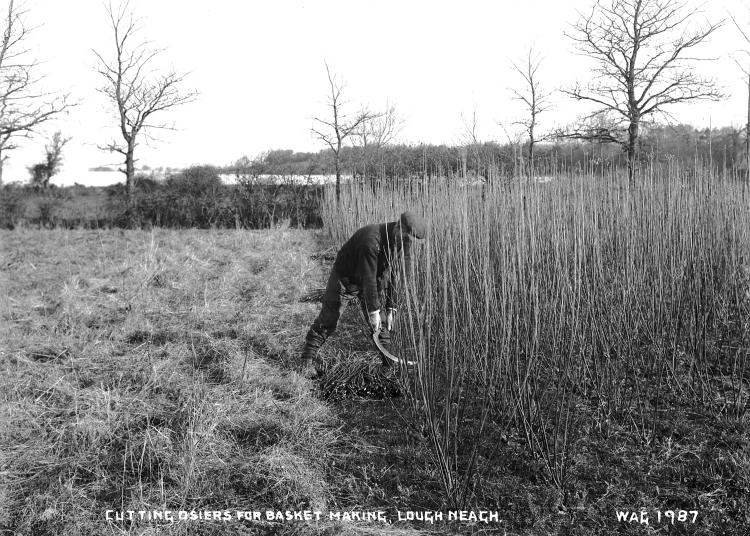
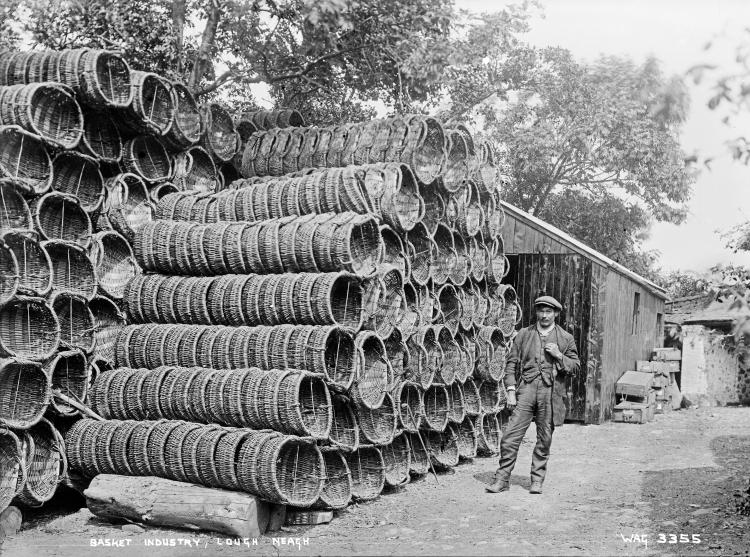
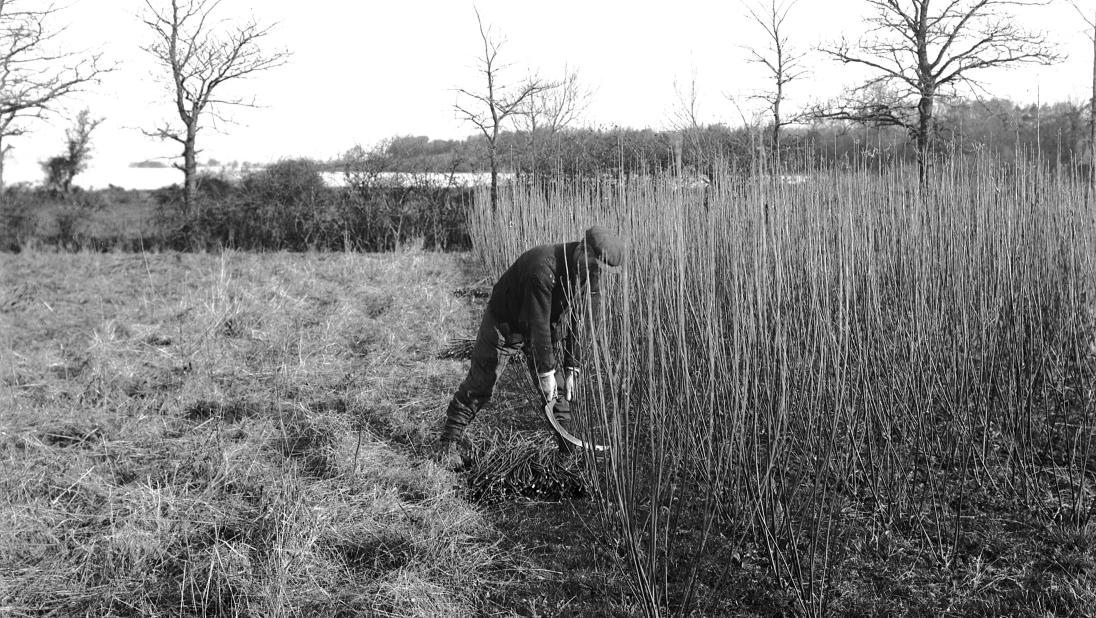
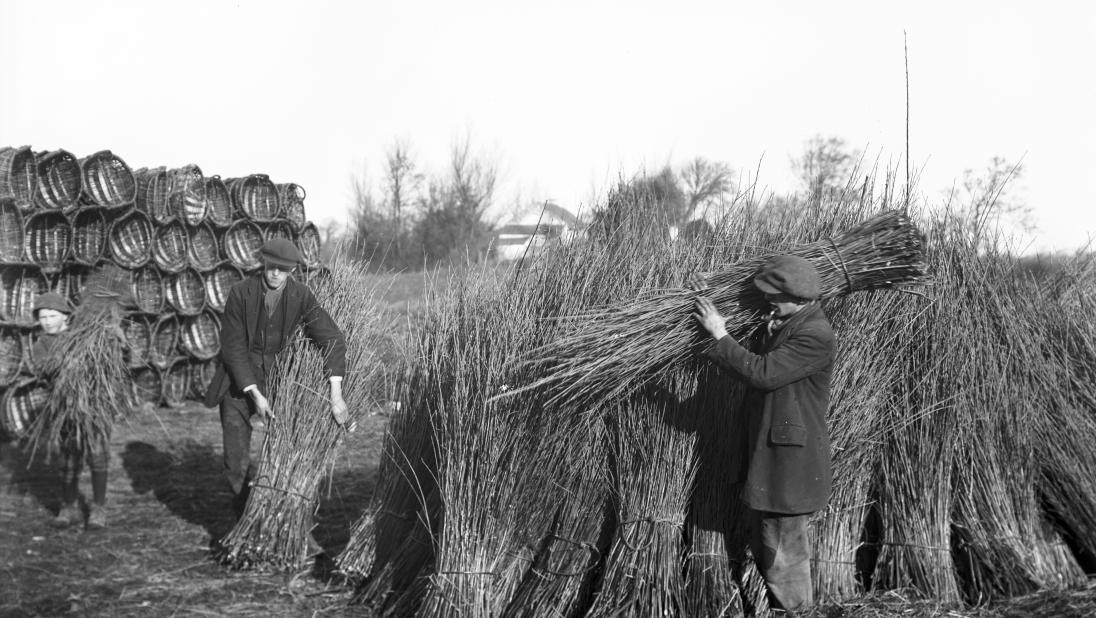
Basket making is long established around Lough Neagh. The land in this district, with its high water table, was suited to growing willow. In 1830, makers in the region were producing rush floor mats, straw baskets, wicker baskets, and bee skeps. In 1901, there were about twenty basket making households scattered across a small handful of townlands in the area.
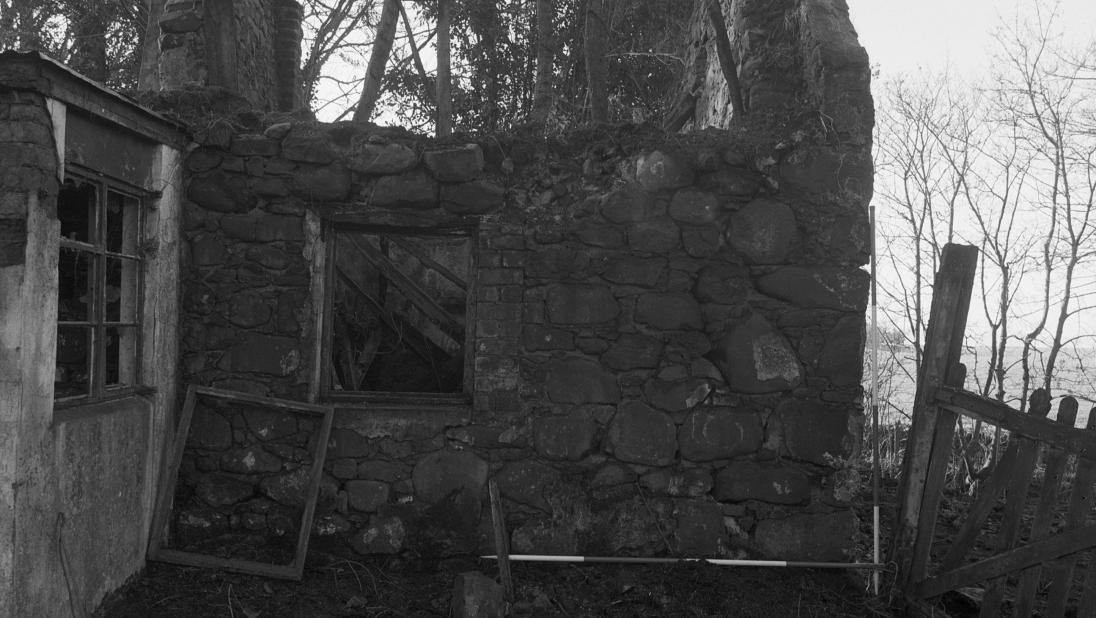
The houses were surveyed in 1983 by local history teacher Heather Thompson. The larger end house still had a thatched roof, while the other two had corrugated roofs. Beside the houses were the remains of once-flourishing fruit, flower and vegetable gardens.
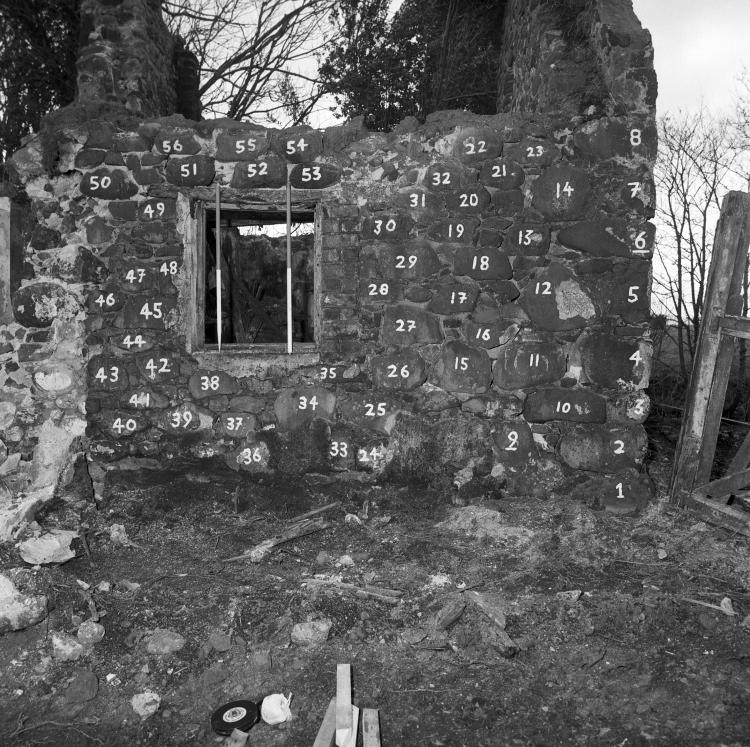
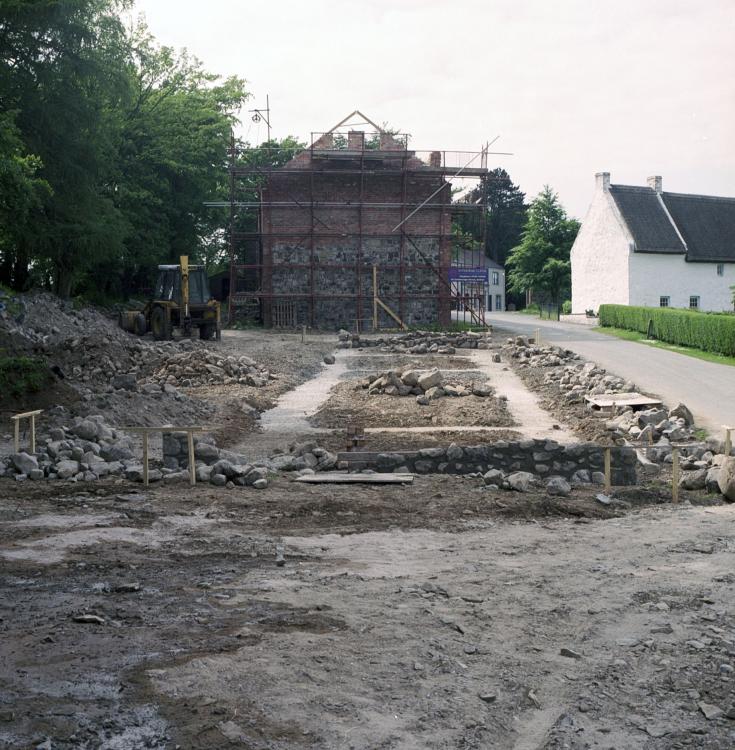
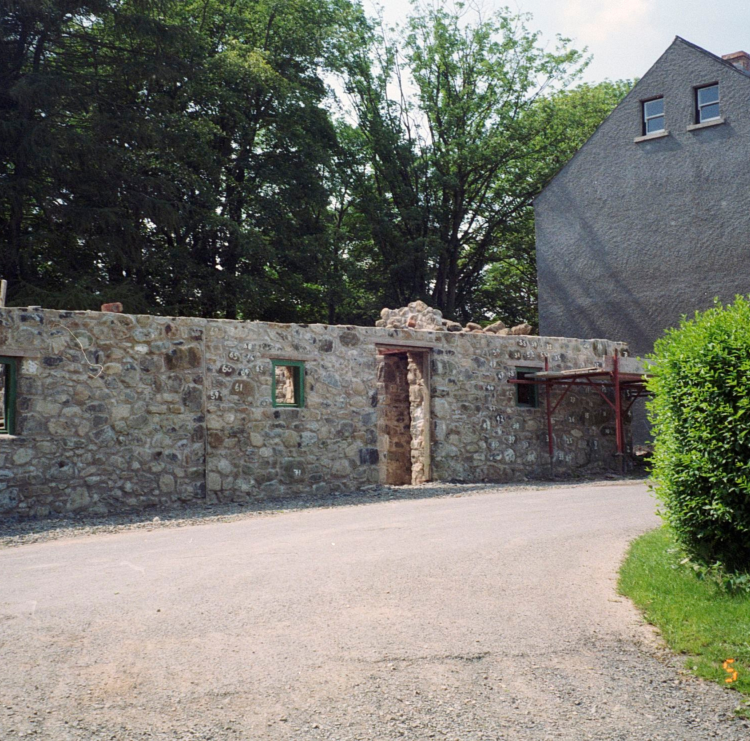
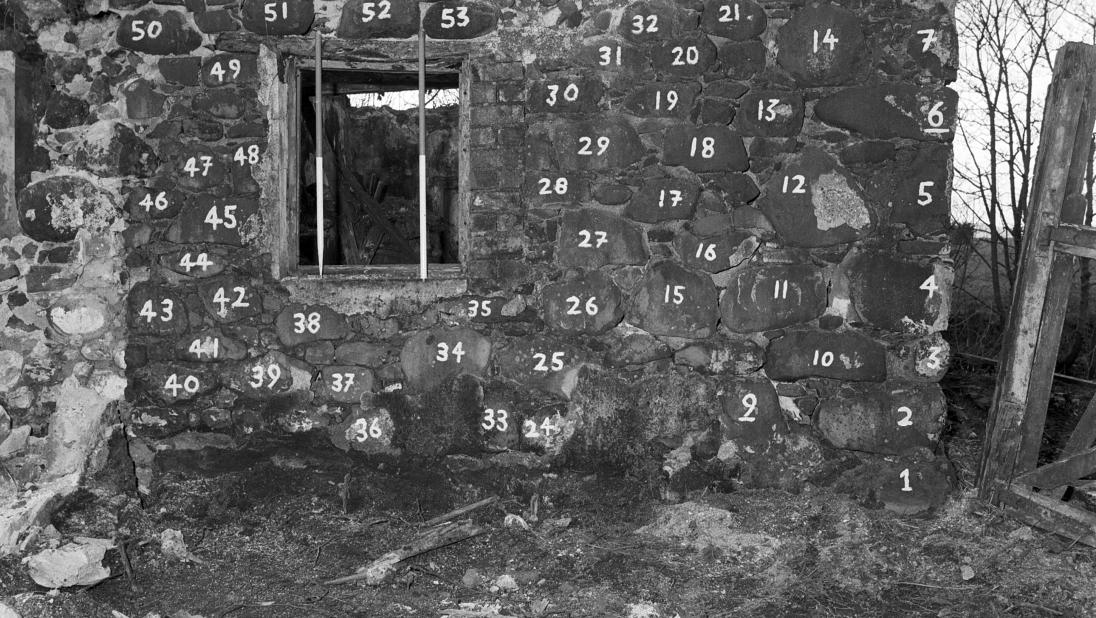
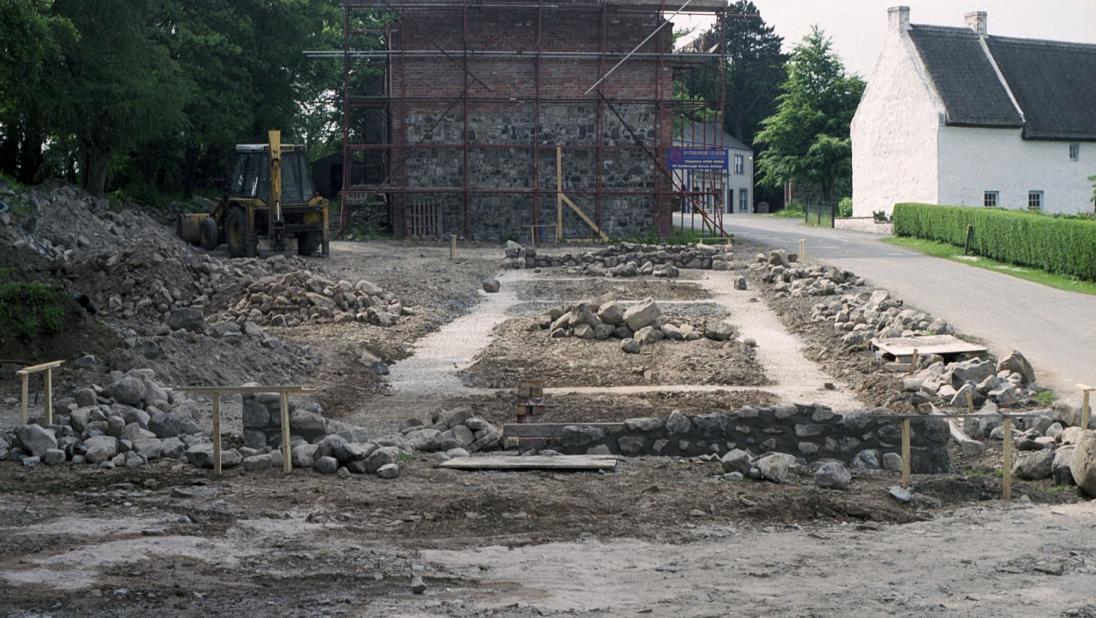
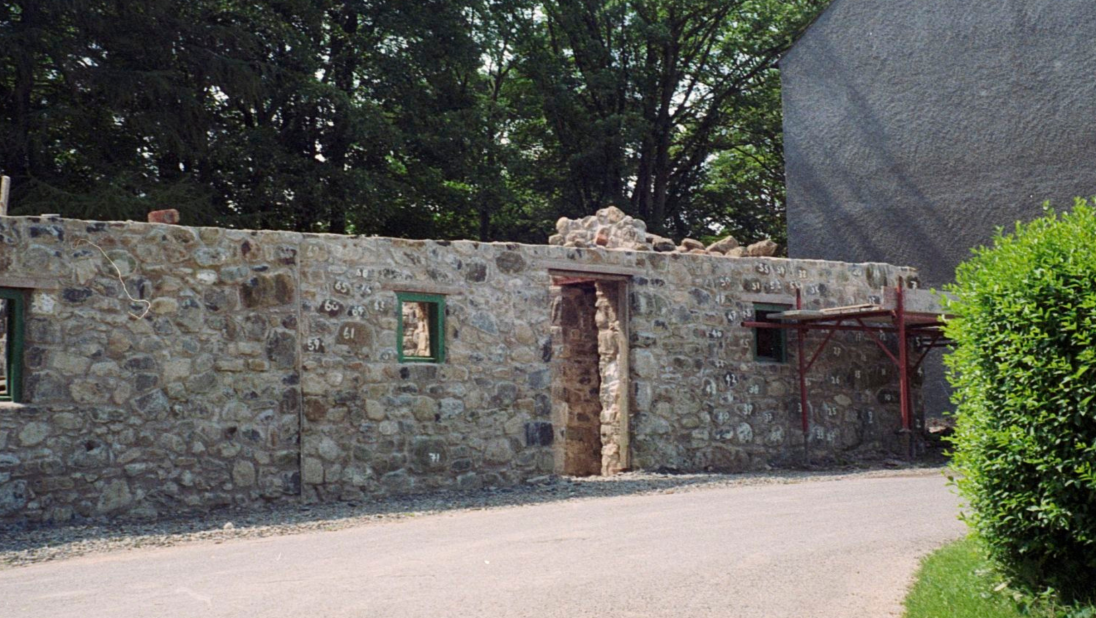
The houses were removed stone by stone and rebuilt at Cultra between 1995 and 1999, officially opening on 6th June 2000.
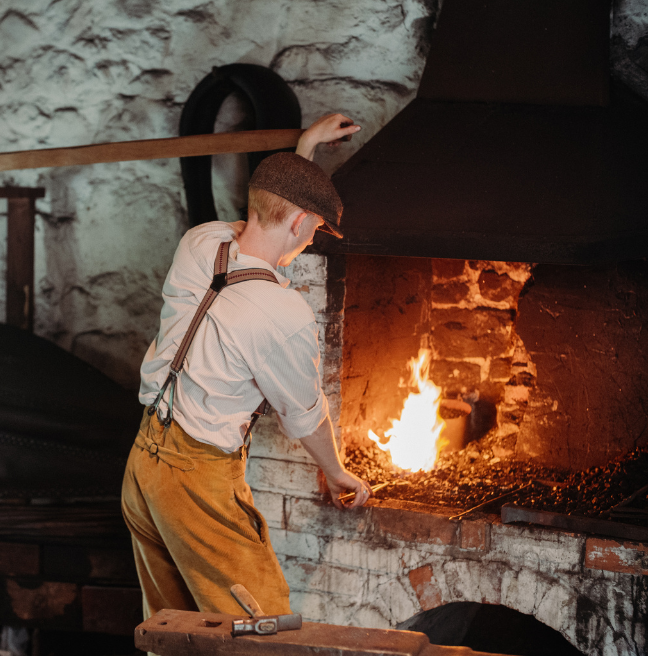
Learn more about the heritage skills that can be found at the Ulster Folk Museum.
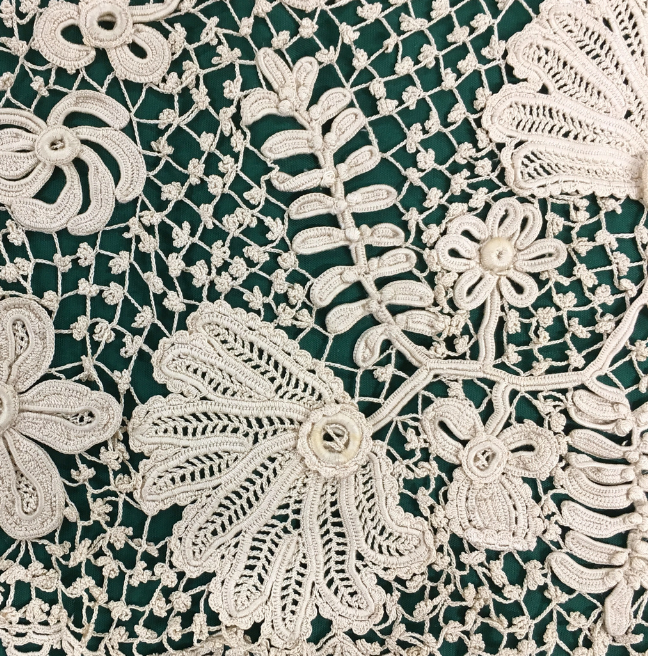
Learn about the rich history of Irish lace with Valerie Wilson, Curator of Textiles.
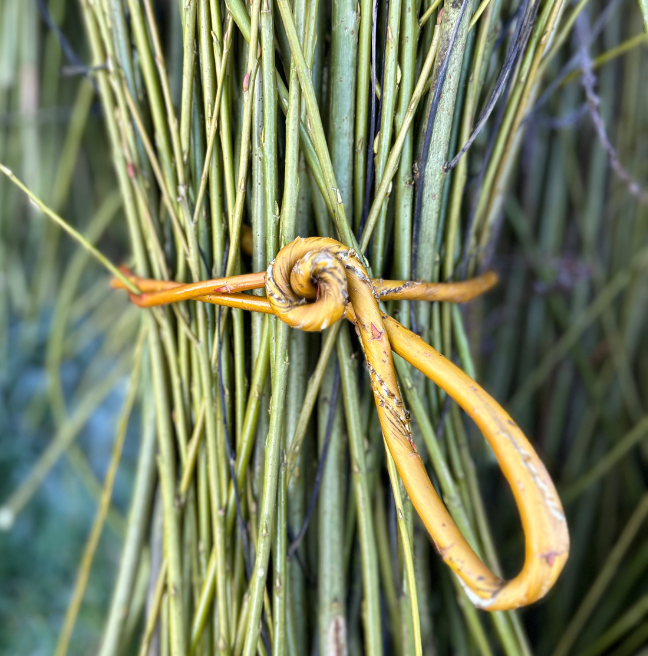
Follow along with this year's willow harvest with craft demonstrator Bob Johnston.